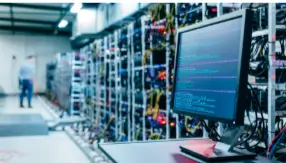
Cryptocurrency mining is the process of solving cryptographic puzzles to validate transactions and add new blocks to a blockchain. Miners expend energy and hardware resources to earn rewards, aligning incentives with network security. The setup requires technical know-how, ongoing costs, and careful risk assessment. Governance and protocol upgrades shape what counts as valid work. The economics are subtle: efficiency matters, but so do market conditions and energy prices. The core questions remain: is the approach sustainable, and who truly benefits?
What Is Cryptocurrency Mining (Explained Simply)
Cryptocurrency mining is the process by which new coins are created and validated transactions on a blockchain are secured. In this explanation, the detached view emphasizes mechanism over hype, examining resource use, incentive structures, and verification steps. It addresses bold misconceptions and beginner questions with precise definitions, avoiding sensationalism while clarifying how miners participate, why algorithms compel effort, and what remains technically unresolved.
How Mining Secures the Blockchain and Creates New Coins
Miners secure the blockchain by solving computational puzzles that compel energy-intensive work, which in turn confirms and records new transactions into immutable blocks. This process links security to incentive structures, where rewards align participant behavior with network integrity.
Mining governance shapes rules and upgrades, while consensus incentives balance risk and reward, sustaining trust without centralized authority amid evolving cryptographic standards and economic pressures.
See also: How Artificial Intelligence Helps Companies Reduce Support Costs
Mining Essentials: Hardware, Software, and Startup Costs
To begin practical work in this domain, attention shifts from abstract security incentives to the concrete requirements of mining hardware, software, and startup costs. A disciplined assessment reveals mining hardware selection, firmware updates, and compatible software considerations as critical to reliability.
Startup costs span rigs, cooling, ballast, and licenses, while energy efficiency remains a decisive, nontrivial factor for sustainable operation.
Energy, Economics, and Environmental Tradeoffs in Mining
What energy costs and environmental impacts accompany digital-asset consensus, and how do these tradeoffs shape long-run viability and policy considerations?
The analysis examines energy efficiency, fuel sources, and environmental costs within mining economics, noting volatility and centralized power demand.
It highlights policy implications, evidence gaps, and the need for transparent reporting and resilient markets that balance freedom with sustainability and credible risk management.
Conclusion
Cryptocurrency mining exists at the intersection of computation and incentive. In practice, rewards arise only when honest work aligns with network security, yet energy use and hardware costs invite skepticism about true efficiency. The coincidence is striking: escalating investments in power and gear often mirror marginal gains as blocks become harder to solve. Still, mining’s value rests on decentralized participation and transparent rules. Without those, incentives decouple from security, and the supposed digital gold rush risks more fiction than function.